
Applied research helps producers spot crop disease before it spreads
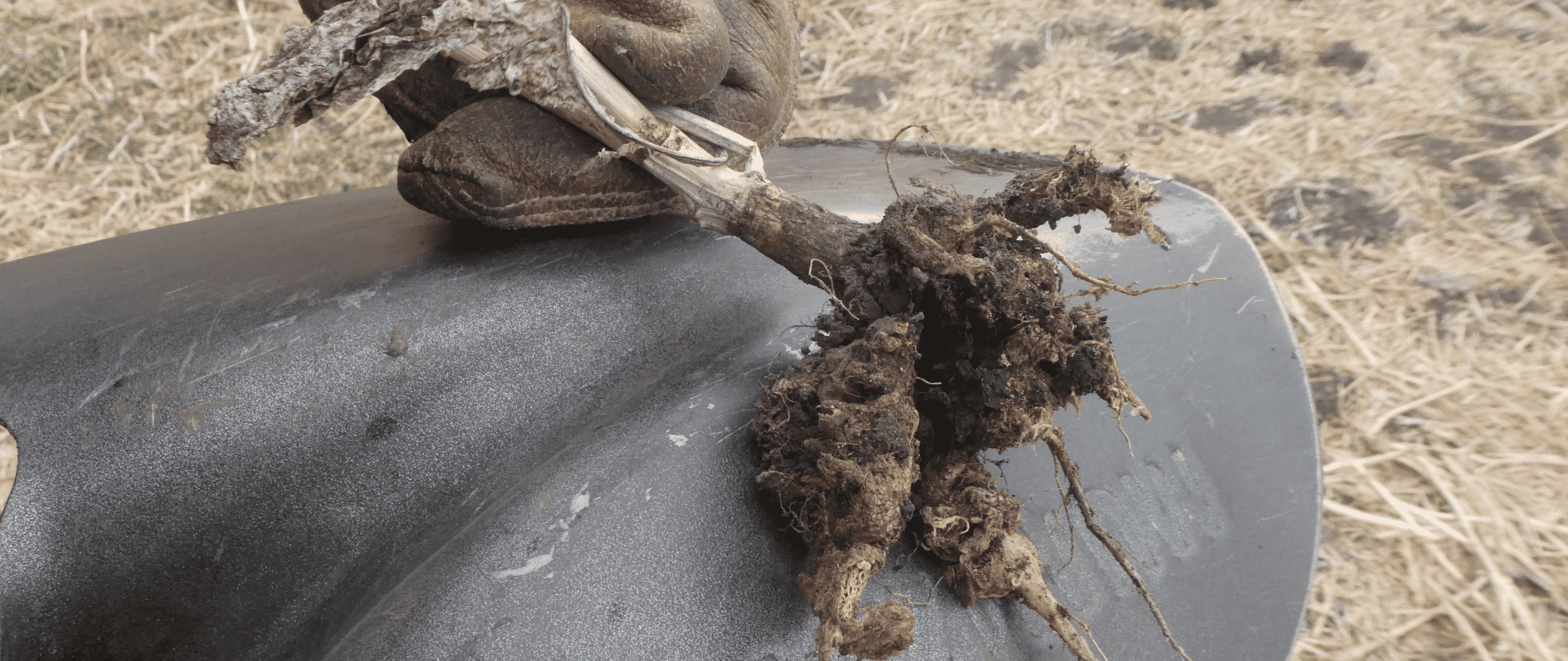
Early signs of trouble in a canola field are easy to miss. This is especially true with clubroot. Caused by Plasmodiophora brassicae Woronin, the soil-borne disease attacks canola roots. It’s become one of the most serious threats to the crop since it was first found in commercial fields.
Detecting clubroot early is often difficult. Infected plants can look the same as healthy ones. They may be late to flower, but dense canola crops make it hard to walk fields without damaging plants and visual scouting often misses infection until plants show signs of stress. By the time symptoms become obvious above ground, management options are often limited with significant yield loss and added costs for producers.
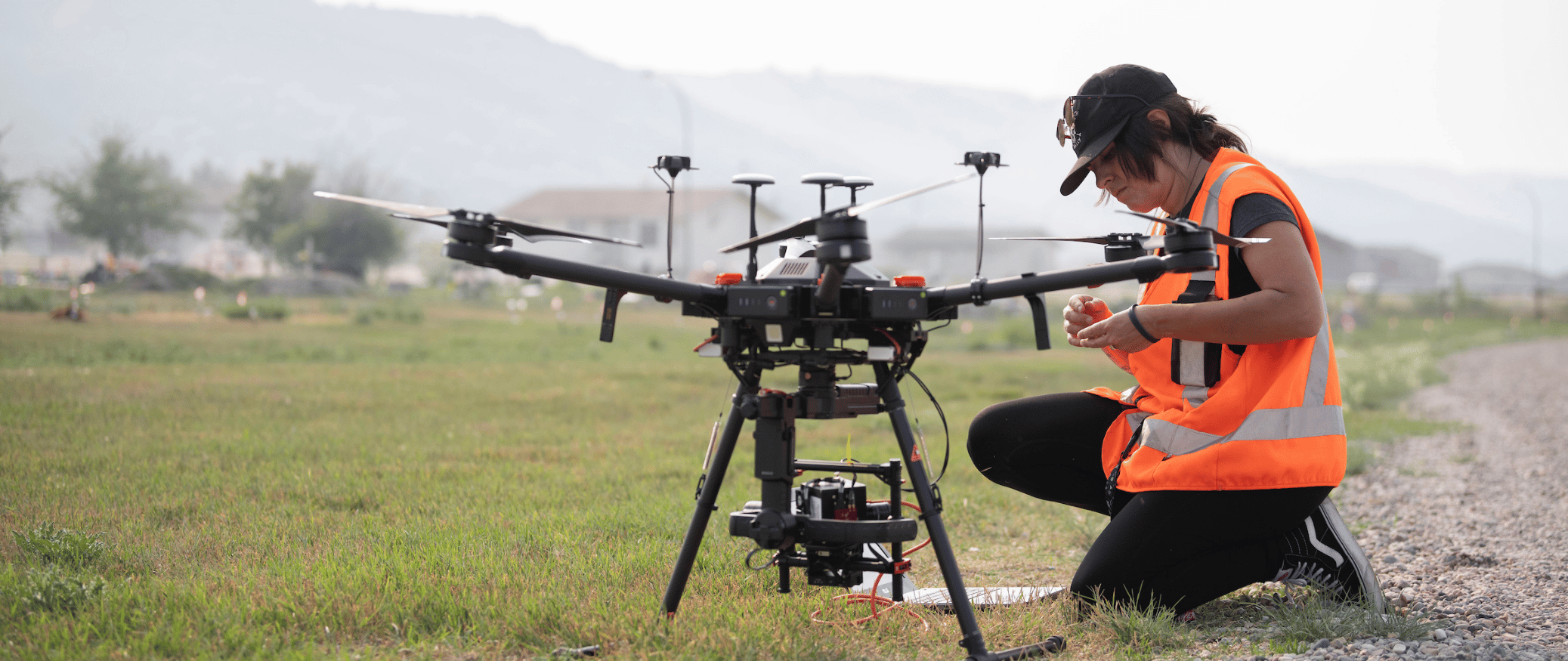
Between 2021 and 2023, Saskatchewan Polytechnic researchers with the Sustainability Led Integrated Centres of Excellence (SLICE) began looking at the problem from above. The team included David Halstead and Leila Benmerrouche. Using drones equipped with hyperspectral cameras, the researchers examined whether clubroot could be identified during early flowering, before above ground symptoms are visible and when management options are still available.
“If you don’t get it at the early stage, you essentially have to take the entire field out of production for several years,” said David Halstead, research chair, SLICE. “That’s extremely expensive and disruptive for producers.”
“We were trying to detect small patch clubroot rather than waiting until it became a whole field problem,” Halstead said.
The Canola Council of Canada assisted in identifying fields for assessment, and numerous producers cooperated by allowing field access and supporting sampling activities.
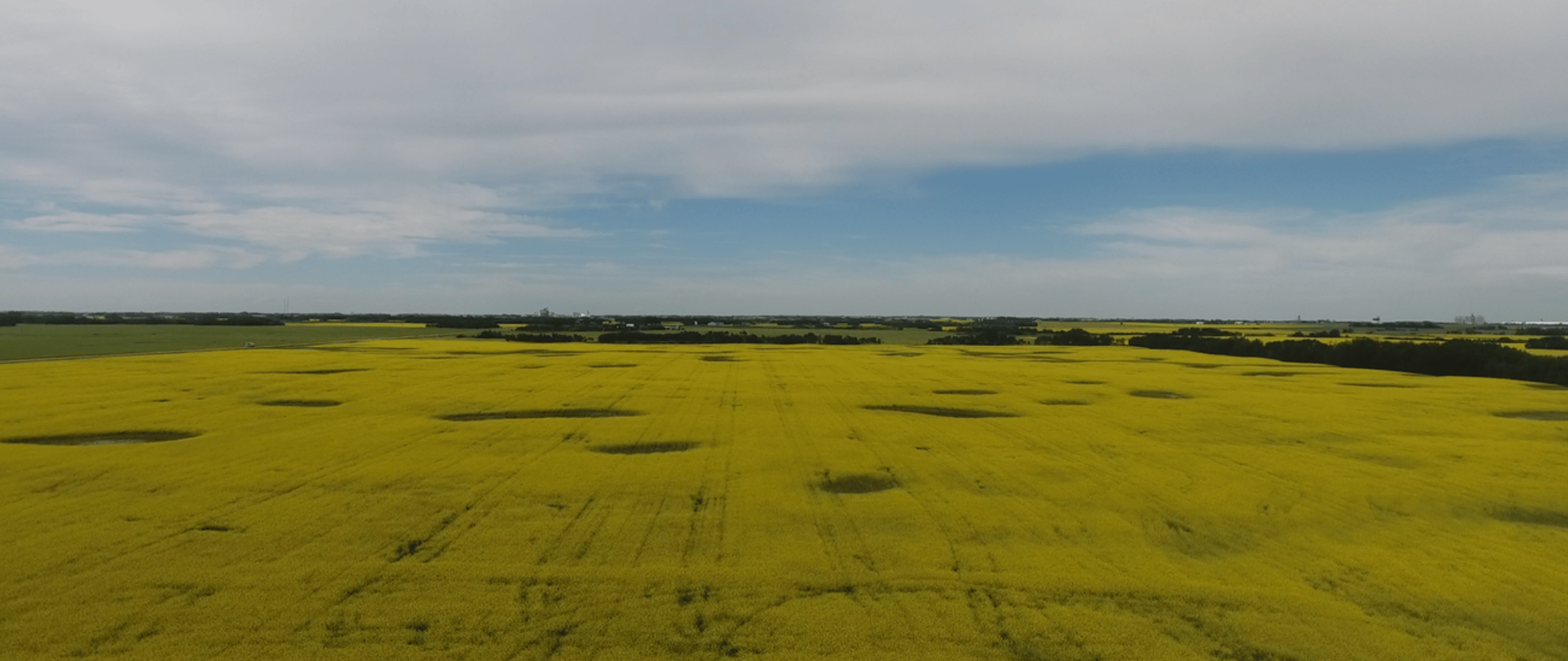
Fieldwork focused on northern Alberta, where clubroot is more established. The project relied on access to high quality reference sites, including anonymized clubroot ratings provided by DL Seeds Inc. The team flew drones over producer fields and research sites during early flowering.
Unlike conventional cameras that capture red, green and blue light, hyperspectral sensors record reflected light across hundreds of narrow wavelength bands. Each plant reflects light differently depending on its structure, chemistry and stress levels. The research team hypothesized that clubroot infection alters those signals enough to be detected through advanced data analysis.
The research was conducted in conjunction with plant pathologists, Dr. Bruce Gossen and Dr. Mary Ruth MacDonald from Agriculture and Agri-Food Canada and the Ontario Agriculture College. While drones collected imagery during the summer, the plant pathologists inspected root samples post-harvest to confirm which plants were infected and which were healthy. This data was used to train and validate the models while infection was still limited to small areas within a field.
Back in the lab, Halstead and Benmerrouche applied machine learning techniques to analyze the hyperspectral data. By comparing confirmed healthy and infected plants, the models were able to separate clubroot stress from normal plant variation with a high degree of accuracy.
The best performing model correctly identified infected patches more than 90 per cent of the time and detected clubroot with complete accuracy at the field level across all sites and seasons analyzed. The results were peer reviewed and published in the European Journal of Agronomy in 2025.
By applying the model pixel by pixel across entire fields, the researchers produced detailed maps showing where clubroot was most likely present. In several cases, disease patterns aligned closely with the apparent travel paths of equipment, supporting previous evidence that contaminated machinery can contribute to the spread of the disease within fields.
The project was made possible with support from the Saskatchewan Agriculture Development Fund and SaskCanola (now SaskOilseeds).
For producers, the results are significant. Early detection allows infected areas to be isolated and managed while leaving the rest of the field in production.
“Instead of sacrificing the entire field, you can identify an infected patch, treat it and protect the rest of the crop,” Halstead said. “This was a successful research investigation, but more work is needed. Drones and hyperspectral technology show strong potential for early detection.”
Targeted treatments such as applying lime to infected zones, extending crop rotations and planting perennial grasses can help suppress the disease organism.
With drones, advanced sensors and data analysis, researchers say early detection could become a practical part of routine agronomic scouting. As clubroot pressure continues to expand across Western Canada, the ability to identify infection early may help protect both individual fields and the long-term sustainability of canola production. The next phase of applied research will focus on translating these findings into commercially viable tools. Advancing toward commercialization will enable producers to adopt early detection solutions as part of everyday practice.
Learn more about SLICE and Applied Research at Sask Polytech.
